Introduction
The Healthy Children’s Fund (HCF) is a voter-approved funding source established to support the health, safety, and well-being of children and families in Whatcom County from prenatal through age five. The fund is intended to address critical needs, reduce disparities, and support conditions that help young children thrive, consistent with the purposes outlined in Ordinance 2022-045.
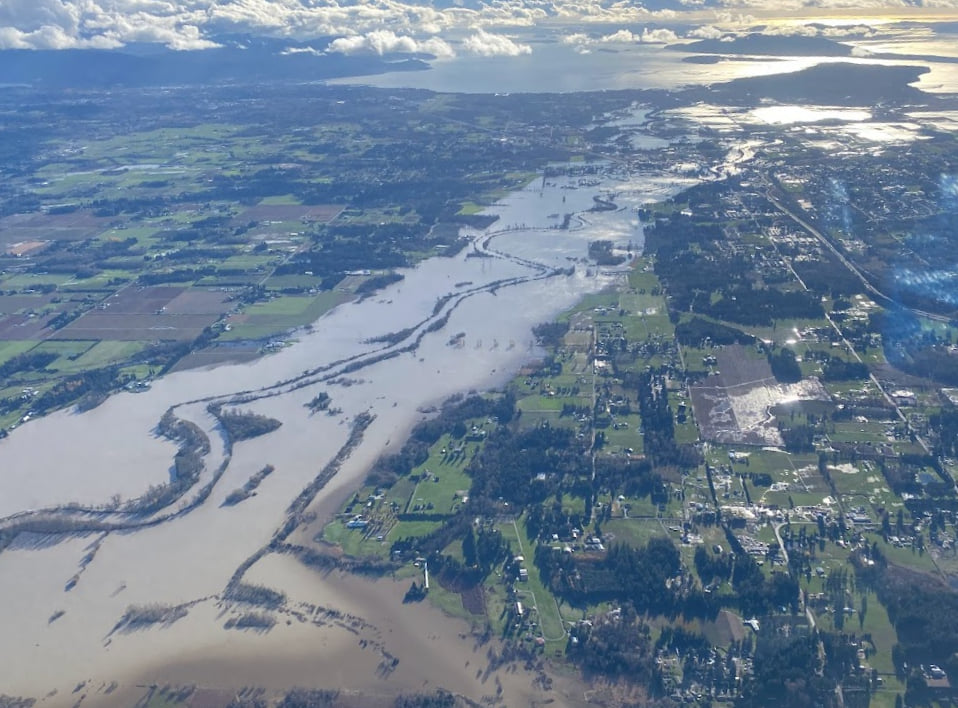
On December 30, 2025, the Whatcom County Council passed a resolution authorizing the use of up to $750,000 in HCF funds to support families with children prenatal through age five who were impacted by the December 2025 Winter Storms. This action reflects the Council’s intent to provide timely, targeted support to help stabilize families and reduce health, safety, and developmental impacts on young children.
HCF Winter Storm Recovery Assistance is designed to provide early, recovery-focused support to families when other state or federal disaster assistance may not yet be available. Funds are intended to help address urgent needs, fill recovery gaps, and support family stability during the initial stages of recovery.
I’m Looking For…
- Introduction
- Overview of HCF Winter Storm Recovery Assistance
- Reimbursement and Accountability
- Household Eligibility
- Household Prioritization Based on Vulnerability
- Household Eligibility Verification and Documentation
- Tax Reporting
- Healthy Children’s Fund 2025 December Winter Storm Eligibility Tree
- Accessing HCF Winter Storm Recovery Assistance
Key Principles
- HCF is not a general disaster relief fund; assistance must be child-centered, recovery-focused, time-limited, and targeted.
- Funding is intended to benefit eligible families with children prenatal through age five impacted by the December 2025 Winter Storms.
- All activities must comply with applicable state law, County ordinance, and the Council resolution.
- HCF funds must supplement, not replace, other local, state, federal, or philanthropic disaster assistance.
This guidance provides Whatcom County staff and community-based organizations with a clear framework for accessing, administering, and monitoring HCF December 2025 Winter Storm Recovery Assistance in alignment with legal and Executive Office guidance.
State Disaster Declaration & Eligible Impacts
State Declaration 25-4783 covers the period December 9–22, 2025, for the event officially titled “December 2025 Winter Storms.” This declaration includes multiple hazards that affected Whatcom County, including severe storms, straight-line winds, flooding, landslides, and mudslides.
All of these impacts are considered eligible for Healthy Children’s Fund 2025 Winter Storm recovery support, provided they affect families with children prenatal through age five and meet the eligibility, vulnerability, and prioritization criteria outlined in this guidance.
Purpose and Audience for this Page
This page outlines how HCF December 2025 Winter Storm Recovery Assistance will be accessed, administered, and monitored. It is intended for:
- Whatcom County staff responsible for application review, contracting, reimbursement, oversight, and compliance; and
- Community-based organizations applying to receive HCF funds and distribute assistance to eligible households on behalf of Whatcom County.
Individuals cannot apply directly to Whatcom County for HCF Recovery Assistance. This program provides funding to community organizations, which can then provide direct support to eligible households.
Overview of HCF Winter Storm Recovery Assistance
HCF Winter Storm Recovery Assistance provides recovery-focused, time-limited funding to help stabilize families with young children, address urgent child health and safety needs, and fill gaps not fully met by other disaster assistance programs. Funds are awarded to community-based organizations, which distribute assistance to eligible households on behalf of Whatcom County.
Funds are designed to:
- Support families with children prenatal through age five affected by the December 2025 Winter Storms;
- Address urgent child health, safety, and developmental needs;
- Complement, not replace, other disaster assistance programs.
All funded activities must align with this guidance, serve eligible households, and address documented vulnerability and unmet need.
Allowable Use of Funds
HCF Recovery Assistance funds must be child-centered, time-limited, recovery-focused, and supplemental to other disaster assistance.
Notes:
- All assistance must address child health, safety, or development.
- Funds cannot replace other disaster assistance (e.g., insurance, FEMA, state, or federal aid).
- Organizations may make direct payments to vendors or third parties to efficiently meet household needs.
Funds may be used only for the categories listed below and may include payments made directly to vendors or other third parties on behalf of eligible households.
| Category | Examples of Allowable Use |
|---|---|
| Housing Stabilization | Rent or deposit assistance, utility payments, moving costs, and temporary lodging or housing support necessary to protect child health and safety. |
| Basic Needs | Food and groceries, transportation, diapers and other essential child supplies, and medically necessary expenses that directly affect child health or safety. |
| Case Management | Individualized support to assess household needs, coordinate services, verify eligibility, and support family recovery and stability. |
Reimbursement and Accountability
HCF Winter Storm Recovery Assistance is provided to organizations on a reimbursement basis. Organizations must submit monthly invoices to Whatcom County documenting eligible expenditures consistent with the terms of their funding agreement.
When this funding is released, it will be among the first local recovery funds to reach the community, and many households have not yet received other state or federal assistance. To ensure timely support while maintaining accountability:
- Households will self-attest* to meeting eligibility requirements and to whether they have applied for or received other disaster assistance;
- Organizations must verify eligibility consistent with this guidance;
- HCF funds must supplement, and not replace, other assistance.
If a household later receives disaster assistance that covers the same costs paid with HCF funds, the administering organization may be required to coordinate reimbursement or repayment, consistent with local, state, and federal duplication-of-benefits requirements.
*Organizations are responsible for ensuring that households attest to meeting eligibility requirements, including income eligibility and whether they have applied for or received other disaster assistance. Self-attestation is used to promote accountability and prevent duplication of benefits while allowing funds to be distributed quickly and with minimal burden on families. Additional documentation should only be requested if required for contract, audit, or legal purposes.
Household Eligibility
To be eligible for HCF Winter Storm Recovery Assistance, all of the following criteria must be met:
- The household includes a pregnant individual or a child from prenatal through age five.
- The household was directly impacted by the December 2025 Winter Storms.
- Household income is at or below 80% of Area Median Income (AMI).
- The identified need directly affects child health, safety, development, or family stability.
- The need represents a gap not fully met by other assistance (such as insurance, FEMA, or other disaster programs).
Household Prioritization Based on Vulnerability
Eligibility establishes whether a household may receive HCF Winter Storm Recovery Assistance; vulnerability guides how funding is prioritized and allocated.
Vulnerability refers to factors that limit a household’s ability to recover from the December 2025 Winter Storms without public assistance. Experiencing the disaster alone does not determine vulnerability; rather, vulnerability reflects pre-existing or compounding financial, housing, health, or social conditions that create barriers to recovery.
Applying a vulnerability lens is a core requirement of this program and is used in all funding decisions. This approach helps ensure that HCF funds:
- Reach households that cannot recover without assistance;
- Are allocated equitably and lawfully; and
- Comply with voter intent and the limitations of Ordinance 2022-045.
Organizations are expected to assess vulnerability for all eligible households and to use it to guide the timing, amount, and type of assistance provided.
Prioritization Factors
Priority is given to eligible households that demonstrate one or more barriers to recovery, including:
- Disrupted employment or loss of income;
- Housing instability, displacement, or risk of homelessness;
- Health conditions, disability, pregnancy, or significant caregiving responsibilities;
- Disruption to medical care, medications, child care, or other essential services; and
- Barriers to accessing assistance, such as language barriers, transportation issues, or limited digital access.
When demand exceeds available funding, these factors are used to further prioritize assistance among eligible households. However, vulnerability is always considered in funding decisions, regardless of overall demand.
Household Eligibility Verification and Documentation
Eligibility verification occurs at the household level and is administered by participating organizations.
- Households may confirm eligibility through self-attestation under penalty of perjury.
- Additional documentation may be requested if required for contract, audit, or legal purposes.
As part of self-attestation, households must:
- Verify the household has a pregnant individual or child in the home, ages birth-5;
- Verify that household income is at or below 80% AMI; and
- Indicate whether they have applied for or received other disaster assistance (such as insurance, FEMA, or state or federal funds).
Applying for or receiving other assistance does not disqualify a household; however, additional verification may be required to demonstrate an unmet need or gap.
Documentation should balance accountability with minimizing burden on families so that assistance can be provided quickly.
Tax Reporting
In most cases, disaster recovery assistance provided to individuals is not considered taxable income under federal tax law.
Federal law allows certain payments made to help people recover from an officially recognized disaster to be excluded from income. This means recipients generally do not need to pay income tax on these payments, and the funds are not subject to payroll taxes or withholding.
These tax protections apply when:
- The disaster has been officially declared or recognized by a federal, state, or local authority; and
- The assistance is used to cover reasonable and necessary disaster-related expenses.
Examples of eligible disaster-related expenses include:
- Temporary housing or living expenses
- Repairs to a home (owned or rented)
- Replacement of household items damaged by the disaster
- Other essential personal or family expenses related to recovery
Payments made by federal, state, or local governments to support individuals affected by a disaster and promote general welfare may also qualify for this tax-free treatment.
Important Limitations
Disaster recovery payments may not qualify for tax-free treatment if they:
- Cover expenses already paid for by insurance or another reimbursement source; or
- Replace lost income, such as wages, business income, or unemployment benefits.
Because individual tax situations can vary, Whatcom County does not provide tax advice. Recipients who have questions about how disaster assistance may affect their taxes are encouraged to consult a tax professional.
Tax Code Reference (for informational purposes)
Federal tax law provides that qualified disaster relief payments are not included in gross income: “Gross income shall not include any amount received by an individual as a qualified disaster relief payment.”— Internal Revenue Code §139 (26 U.S.C. §139)
Healthy Children’s Fund 2025 December Winter Storm Eligibility Tree
This decision guide summarizes eligibility and prioritization considerations to support consistent screening and documentation. Staff discretion may be applied consistent with this guidance.
- Does the household include a pregnant individual or a child aged birth to 5?
- No: Not Eligible
- Yes: Proceed
- Has the household experienced a documented 2025 winter storm-related impact (displacement, loss of utilities, safety/health risk affecting children)?
- No: Not Eligible
- Yes: Proceed
- Does the identified need directly affect child health, safety, development, or vulnerability?
- No: Not Eligible
- Yes: Proceed
- Is household income at or below 80% Area Median Income (AMI)?
- No: Not Eligible
- Yes: Proceed
- Is the need met by other assistance? (e.g., FEMA, WA-EMD, insurance, etc.)?
- No: Not Eligible
- Yes: Proceed
- Is the proposed assistance time-limited and recovery-focused?
- No: Not Eligible
- Yes: Proceed (subject to prioritization, approval, and documentation)
- Does the household demonstrate vulnerability that limits recovery without public assistance (e.g., income ≤80% AMI, housing instability, health or caregiving needs)?
- No: Lower Priority
- Yes: Higher Priority
Eligible households may receive HCF-supported recovery assistance, subject to prioritization, approval, and documentation requirements.
Accessing HCF Winter Storm Recovery Assistance
Whatcom County provides HCF Winter Storm Recovery Assistance to eligible families through community-based organizations. The following guidance explains how organizations can apply, the funding cap, and the reporting and accountability requirements.
1. Application and Process Overview
Organizations may apply via an online form.
Application Timeline
- Applications Open: Thursday, January 22, 2026
- Application Deadline: Monday, February 23, 2026
- Review Process: Applications will be reviewed by staff on a rolling basis, every Friday from January 30 through the deadline, to ensure funding reaches eligible households as quickly as possible.
- Awards and Contracting: Following review and approval
Questions: Contact Sarah Simpson, Children and Families Supervisor, at ssimpson@co.whatcom.wa.us.
2. Organizational Eligibility
Applicants must demonstrate:
- Experience serving families with young children (prenatal through age five);
- Capacity to provide culturally responsive services, including language access;
- Ability to serve households with and without bank accounts;
- Systems to verify household eligibility and vulnerability;
- Capacity to manage funds, submit monthly invoices, and report outcomes.
3. Eligible Program Focus Areas
All proposed activities must:
- Align with HCF guidance
- Meet household eligibility and vulnerability requirements
- Comply with per-household funding caps and reimbursement rules.
Organizations may apply to provide assistance in one or more of the following areas:
| Category | Examples of Allowable Use |
|---|---|
| Housing Stabilization | Rent or deposit assistance, utility payments, moving costs, and temporary lodging or housing support necessary to protect child health and safety. |
| Basic Needs | Food and groceries, transportation, diapers and other essential child supplies, and medically necessary expenses that directly affect child health or safety. |
| Case Management | Individualized support to assess household needs, coordinate services, verify eligibility, and support family recovery and stability. |
4. Funding Caps
Total funding amounts, award terms, and reimbursement conditions will be specified in each organization’s funding agreement with Whatcom County.
- Per-Household Limit: HCF recovery assistance is generally capped at $10,000 per eligible household to ensure equitable distribution.
- Amounts above $10,000 may be considered only in extenuating circumstances and must:
- Be clearly justified based on documented unmet need and household vulnerability
- Be directly tied to stabilizing child health, safety, or development
- Receive advance approval from Whatcom County in coordination with the administering organization
Organizations are expected to design budgets and assistance plans that respect this cap and clearly describe how assistance amounts will be determined and monitored.
5. Reporting & Accountability
Organizations are responsible for:
- Tracking expenditures and households served
- Reporting services provided and child-centered outcomes
- Maintaining records for audit and evaluation
- Safeguarding sensitive household information in compliance with applicable privacy laws
6. References
- Ordinance 2022-045: Healthy Children’s Fund
- Whatcom County Council Resolution, December 30, 2025
- HCF Legal Guidance from Whatcom County Prosecutor’s Office, December 2025 – January 2026
- Executive Office Emergency Guidance, December 2025
- HUD FY 2025 Income Limits
 More News & Updates